

Read time: 3 min
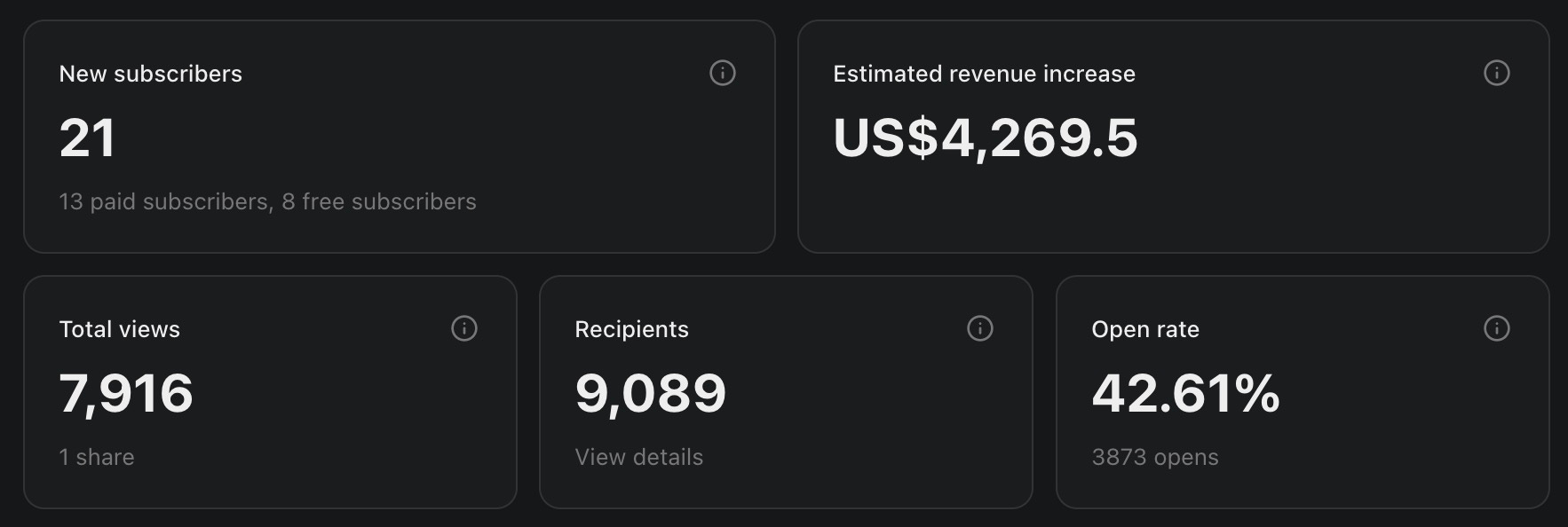
To my biggest surprise, a post I wrote a year ago on co-founder agreements became one of the most saved and most purchased pieces I’ve ever written.
That post generated $4,300 alone.
Not because it was clever.
Not because it was viral.
But because it covered simple, dangerously vital things most founders skip.
I keep getting messages like:
“We almost ignored this.”
“We fixed this just in time.”
“This would’ve blown up our round.”
So I’m resurfacing it.
And modernizing it.
The fire ChatGPT prompt below will make sure you have the grand slam co-founder agreement.
It covers all the blind spots.
I’ve built the best Template for you
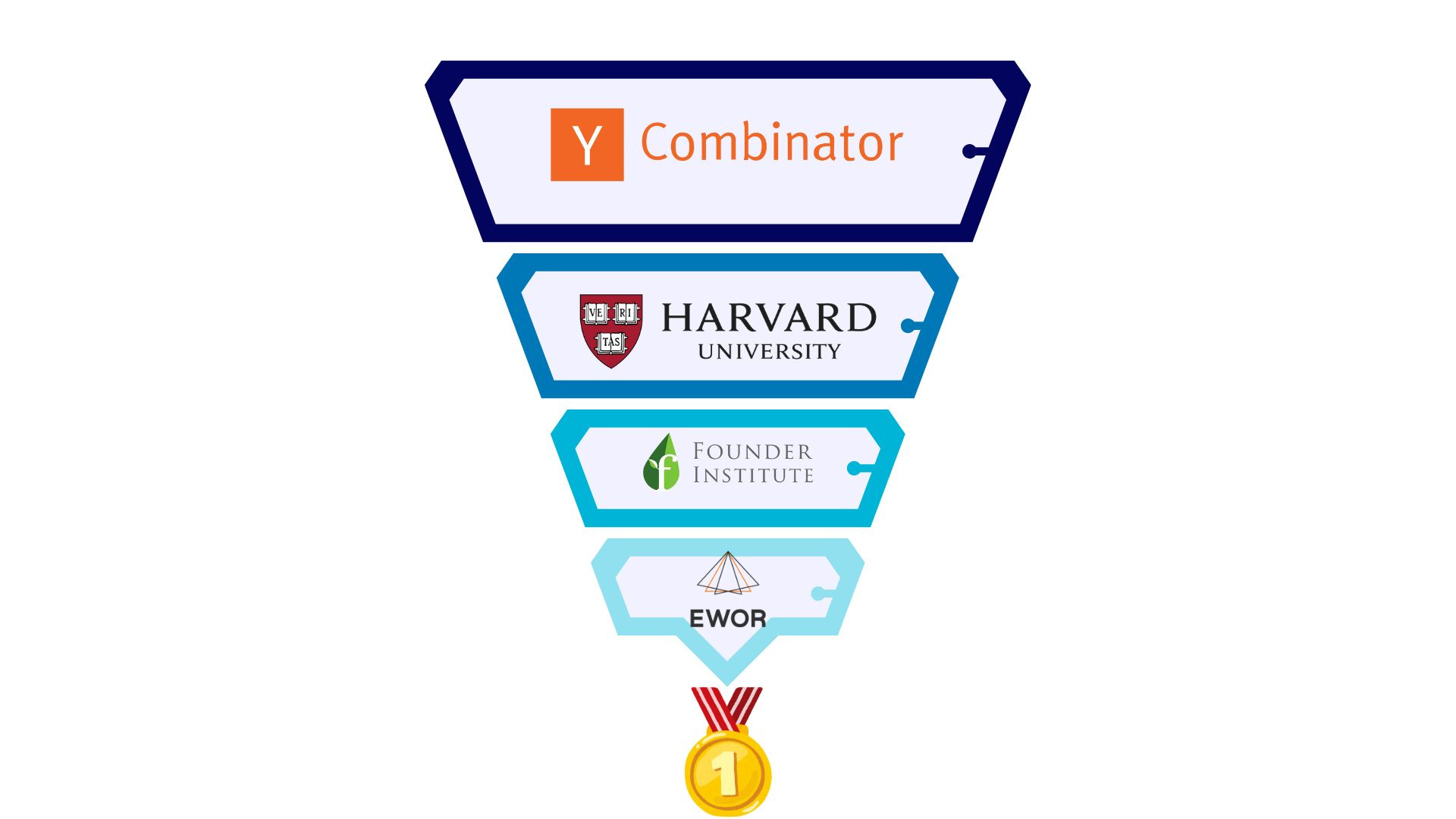
I extracted the juice from YC, Harvard, Founder Institute, and EWOR’s agreements to create the best possible base.
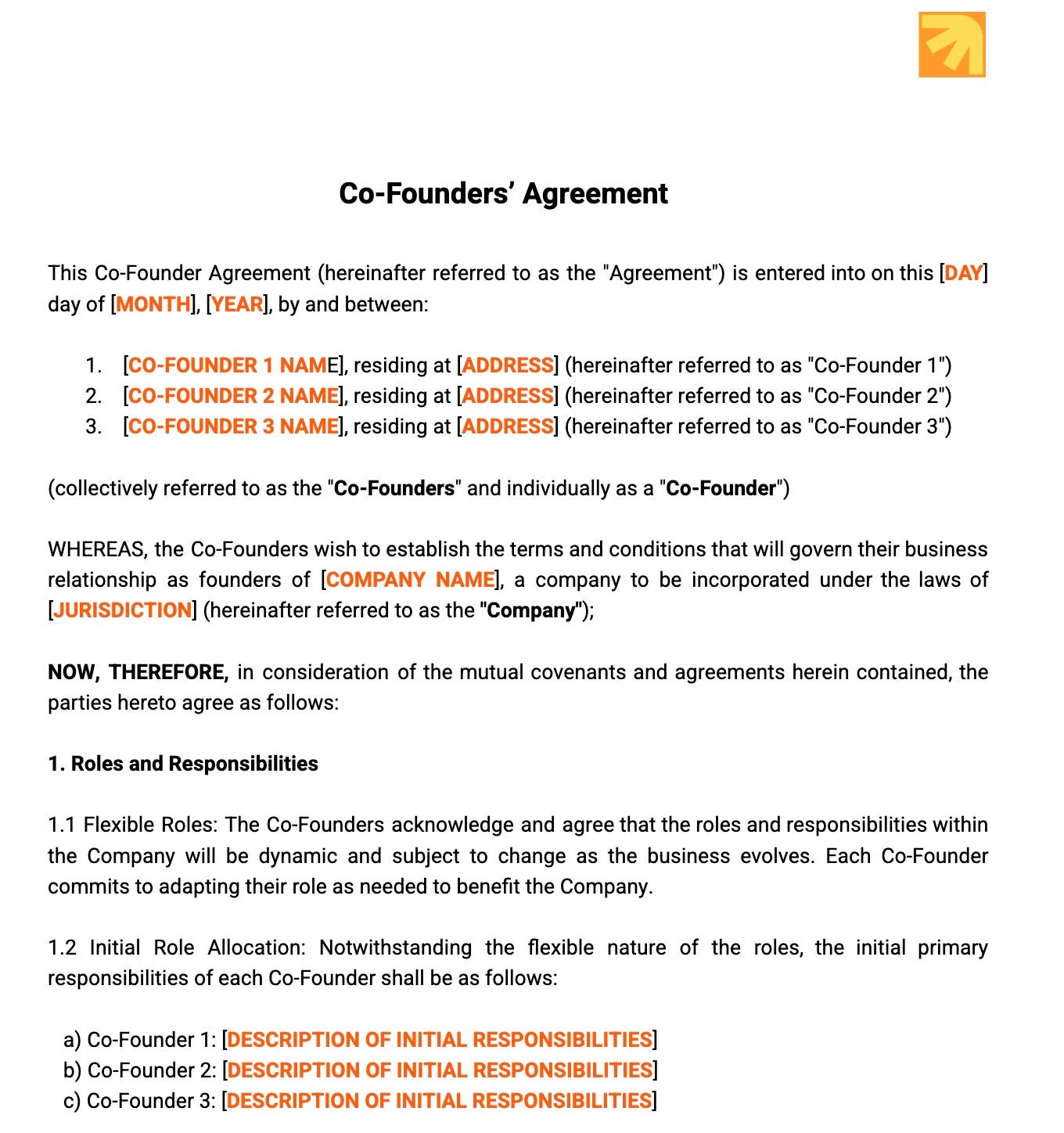
Start with this. Open it, duplicate it, then copy-paste text into ChatGPT.
Use AI to stress-test your co-founder setup
Most co-founder agreements fail in the edges.
Not the obvious stuff.
The weird scenarios.
The asymmetries.
The things nobody wants to say out loud.
This is where ChatGPT is incredibly useful if you prompt it correctly.
Below is the exact prompt I’ve used in the last month to pressure-test a co-founder agreement before involving a lawyer.
Copy-paste prompt:
Co-founder agreement stress test prompt:
You are a startup lawyer, venture capitalist, and conflict mediator combined.I’m building a company with the following co-founders:
Company stage: [idea / pre-seed / seed / growth / etc.]
Industry: [climate, AI, biotech, hardware, SaaS, etc.]
Co-founders and backgrounds:
Founder A: role, background, time commitment, cash contribution, IP contribution
Founder B: role, background, time commitment, cash contribution, IP contribution
(add more if needed)
Current assumptions:
Equity split: [proposed split]
Vesting: [terms if any]
Roles and decision rights: [current understanding]
IP origin: [university, prior company, personal, mixed]
Jurisdiction: [country/state]
Task:
Identify hidden risks, conflicts, or edge cases that commonly destroy co-founder relationships or scare investors.
List specific clauses we should include to protect the company in scenarios like:
One founder leaving early
Burnout or part-time drift
Misaligned ambition
Future fundraising pressure
Acquisition offers
Unequal performance over time
IP disputes
Highlight anything that would raise red flags for professional investors.
Suggest questions we must answer now, even if uncomfortable.
Be brutally honest. Assume we want to build something fundable and durable.
Run this.
Copy-paste back into your Template.
I just saved you five grand.
If you want to quadruple-check, bring the output to a real lawyer.
But you should already be pretty set if you ask me.
Final reminder
A co-founder agreement is not paperwork.
It’s a strategy document for conflict.
The earlier you write it,
the cheaper it is,
and the more power it gives you later.
Resurfacing this because it matters.
If you’re about to start a company, or already in one,
don’t skip this step.
It is NOT about trust.
It’s about building something serious, with maturity, and planning scenarios in case shit hits the fan.
— Yoann
Founder tools that will give you the ultimate unfair advantage:
📌 The Ultimate Investors List of Lists (12,000 VCs, FOs, Angels)
🦄 40 pitch decks that built Unicorns (how Airbnb, Coinbase, Canva got funded)
⚡️ The Ultimate Notion Data Room (all key docs you’ll EVER need)
🥇 The Most Successful Investor Update Template
📊 The Only Finance Tracker Your Startup Needs
And here are the capital allocators most founders never talk to:
🇺🇸 America’s hidden capital. 1,159 verified family offices
🇪🇺 Europe’s hidden capital. 2,656 family offices
🌏 3,250 Australian and Singaporean family offices
💰 316 female angels in Europe
This is gold, Yoann.
So many founders underestimate the edges, the scenarios no one wants to talk about until it’s too late. I love how you frame the co-founder agreement not as paperwork, but as a strategy document for conflict. That mindset alone could save countless startups from collapse.